
Kent Test (Year 4-6)
February 10, 2026
Maths (Year 1-6)
February 11, 2026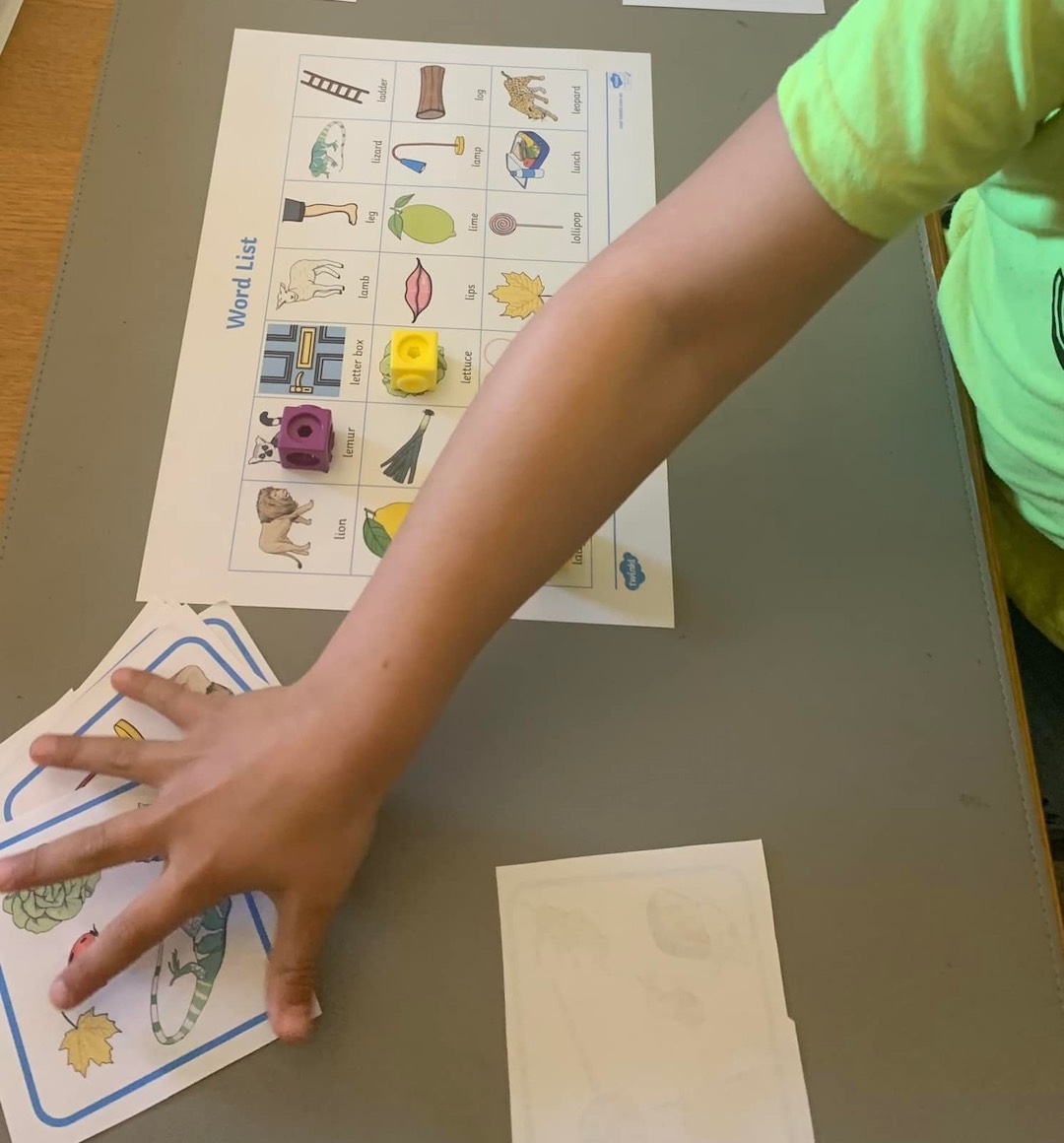
English (Year 1-6)
Price range: £69.00 through £99.00
Structuring an English curriculum from Year 1 to Year 6 involves a transition from learning to read to reading to learn and analyze.
English Curriculum Overview (Year 1–6)
Year 1: Foundations of Literacy
The focus is on mastering phonics to decode words and building basic sentence structures. Students learn to use capital letters, full stops, and finger spaces while exploring simple storytelling and reciting nursery rhymes to build oral confidence.
Year 2: Developing Independence
Students move toward fluent reading and start using more varied punctuation like question marks and exclamation points. Writing expands into simple narrative sequences, where they learn to use coordination (e.g., and, or, but) to join ideas and begin basic spelling rules.
Year 3: Expanding Expression
This year introduces paragraphs to organize ideas and the use of adverbs and prepositions to add detail. Students begin to read longer chapter books, focusing on comprehension skills like predicting what might happen next based on character actions.
Year 4: Structural Mastery
The curriculum shifts toward more sophisticated grammar, including fronted adverbials and expanded noun phrases. Students tackle various genres—such as persuasive writing and poetry—and learn to use commas accurately to clarify meaning in complex sentences.
Year 5: Critical Thinking
Students explore “show, don’t tell” techniques to convey atmosphere and character emotion. They begin to analyze authorial intent, comparing different texts and using more advanced cohesive devices like relative clauses and modal verbs to express degrees of possibility.
Year 6: Analysis & Precision
In preparation for secondary school, the focus is on active and passive voice, formal vs. informal registers, and deep textual analysis. Students learn to write lengthy, coherent pieces across all genres, perfecting their proofreading skills and mastering complex punctuation like colons and semi-colons.